Oct 19, 2026
If you are selecting a stainless steel grade for a spring that carries load, moves repeatedly, or sits in a humid or chemically active environment, choose 304 stainless steel. It resists corrosion better, holds a stable surface finish longer, and behaves predictably under cyclic fatigue. Grade 202 is less expensive because it replaces part of the nickel with manganese and nitrogen, but that cost saving comes with real trade-offs in corrosion resistance, weldability, and long-term mechanical reliability.
For a spring manufacturer, the answer is not simply about which grade looks shinier or costs less per ton. It is about whether the spring still works after one hundred thousand cycles, whether the surface pits or stains after exposure to cleaning agents, and whether the wire coils, bends, and stress-relieves without cracking. From that angle, 304 is the safer engineering material, while 202 should be limited to dry indoor parts with modest load requirements.
The practical difference between these two austenitic stainless steels starts with the alloy recipe. Grade 304 contains roughly 18 to 20 percent chromium and 8 to 10.5 percent nickel. Grade 202 lowers chromium to about 16 to 18 percent, cuts nickel to 4 to 6 percent, and adds a large amount of manganese, typically 7.5 to 10 percent, to restore some of the austenitic structure that the reduced nickel would otherwise weaken. Nitrogen is also raised in 202 to help stabilize the material.
Nickel is the expensive element in stainless steel. It is also the element most responsible for corrosion resistance, formability, and stable austenite at room temperature. Manganese can assist with strength and austenite stability, but it cannot reproduce the corrosion protection that nickel gives to the passive chromium oxide layer. This means the atomic structure of 304 is simply more balanced for demanding spring service.
| Element | 304 Stainless Steel | 202 Stainless Steel |
| Carbon | 0.08 | 0.15 |
| Manganese | 2.00 | 7.50 to 10.00 |
| Phosphorus | 0.045 | 0.060 |
| Sulfur | 0.030 | 0.030 |
| Silicon | 0.75 | 1.00 |
| Chromium | 18.00 to 20.00 | 16.00 to 18.00 |
| Nickel | 8.00 to 10.50 | 4.00 to 6.00 |
| Nitrogen | 0.10 | 0.25 |
The composition gap becomes easier to visualize when the two most important elements are compared side by side. Nickel is cut roughly in half in grade 202, while manganese is raised far above the level that 304 allows. These changes affect not only the material certificate but also every later stage of spring production.
For spring wire, this chemical difference is not just a metallurgical detail. It influences how the wire reacts to cold drawing, how the coil spring behaves in a salt spray test, and how long the finished component can maintain its spring rate without surface degradation.
Both 202 and 304 are austenitic stainless steels, which means they start with a face-centered cubic structure that can be cold worked to high strength. A spring manufacturer can draw either grade into wire and form compression, extension, or torsion springs. In the annealed condition, grade 202 often shows a slightly higher yield strength than 304, which sounds attractive for spring design. But spring performance is about more than the yield strength written on a datasheet.
Grade 304 spring wire, when cold drawn and stress relieved, offers a very predictable combination of tensile strength, ductility, and fatigue resistance. The lower carbon content and balanced chromium-nickel ratio produce a clean microstructure with fewer carbide precipitation sites. This is essential for small wire diameters used in compact springs, because those springs must bend around a small arbor without microcracks forming on the inner surface of the coil.
| Property | 304 Stainless Steel | 202 Stainless Steel |
| Tensile strength, annealed | 515 MPa minimum | 620 MPa typical |
| Yield strength, annealed | 205 MPa minimum | 275 MPa typical |
| Elongation, annealed | 40% minimum | 40% typical |
| Modulus of elasticity | 193 GPa | 194 GPa |
| Fatigue behavior under cycling | Stable, repeatable | More scatter, surface sensitive |
The fatigue life of a spring depends heavily on surface quality and structural homogeneity. A 202 wire with a slightly higher tensile value can look good on paper, but if its surface has small laps, scale, or uneven areas from the drawing process, those defects become crack initiation points under cyclic load. Grade 304, with its lower manganese content, draws more smoothly and produces a cleaner surface. For a small tension coil spring that must survive hundreds of thousands of strokes, this surface consistency matters more than a small difference in yield strength.
In our production experience, 304 wire also tolerates tighter spring indexes and more aggressive bending angles. When a client requests a spring with a small coil diameter relative to the wire size, the wire has to deform severely. The higher nickel content of 304 keeps the austenite stable during that deformation, reducing the risk of cracking and allowing the spring to hold its designed geometry. Grade 202 can be formed, but the process window is narrower, and the reject rate increases when the design approaches dimensional limits.
Another consideration is stress relaxation. Springs are often expected to hold a force for months or years without sagging. Grade 304, with its more stable metallurgical structure, tends to resist stress relaxation better at moderate service temperatures. Grade 202 can relax slightly more, especially if the spring is overstressed or exposed to mild heat. In a part that controls a safety switch, a door return mechanism, or a braking component, even a small loss of force can change the way the product performs.
Corrosion resistance is the most common reason a spring designer chooses stainless steel instead of carbon steel. The entire stainless steel family resists rust through a thin, self-repairing chromium oxide layer on the surface. The quality of that protective layer depends on chromium content, nickel content, and the cleanliness of the alloy. Grade 304, with its higher chromium and nickel content, forms a denser oxide layer and repairs that layer more quickly after scratches or wear. Grade 202, with less chromium and nickel plus elevated manganese, forms a less stable passive film.
In real terms, the difference becomes visible in humid environments, near coastlines, or in applications where the spring is occasionally sprayed with water, cleaning fluids, or industrial chemicals. A 202 stainless steel compression spring may start with a bright appearance, but small pits can appear after months of condensation and evaporation cycles. Once pitting starts, the rust spreads beneath the surface, and the spring loses both its aesthetic quality and its fatigue strength. Grade 304 is not completely immune to pitting, but its resistance is substantially higher.
The chart below compares the retained surface quality index of 304 and 202 stainless steel over eight weeks in a cyclic salt spray environment. A higher value means better surface condition and lower corrosion damage.
The reason is straightforward. Pitting resistance is closely related to chromium and molybdenum content, and 304 simply has more chromium available to maintain the passive layer. Manganese, which is high in 202, can form sulfides at the surface that act as starting points for corrosion. When a spring is coiled, the surface is stretched on the outside of each bend and compressed on the inside. Those stressed micro-areas are exactly where corrosion will attack first. A higher grade of stainless steel gives those areas more protection.
Weldability is not the first thing a spring designer thinks about, but many springs are attached to a bracket, plate, or frame by welding. When a spring is welded, the heat-affected zone near the weld can become sensitized, which means chromium carbides form along grain boundaries and leave the surrounding metal low in chromium. Grade 202, with its higher carbon content and lower chromium, is more vulnerable to this problem. Grade 304, especially the low-carbon 304L variant, produces a more stable weld joint with less risk of intergranular corrosion.
Heat resistance matters for springs that work near motors, engines, ovens, or hot air streams. Grade 304 is commonly used in continuous service up to roughly 800 degrees Celsius in non-oxidizing environments and performs well in short-term spring applications up to a few hundred degrees. Grade 202 loses strength and begins to oxidize more quickly at elevated temperatures, mostly because its protective oxide layer is less homogeneous. In spring terms, the service temperature matters because the elastic modulus and stress relaxation both change with heat. A torsion spring that must hold a door open near a hot exhaust or heated panel should be made from a grade that can keep its shape.
Magnetism is a recurring source of confusion in stainless steel selection. Both 202 and 304 are classified as austenitic, so both are normally considered non-magnetic in the annealed condition. However, cold working changes the structure. When stainless steel wire is drawn down to a smaller diameter or coiled into a tight spring, some of the austenite transforms to martensite, and that makes the spring magnetic. Grade 304 is more prone to this transformation than grade 202, which is one reason a 304 compression spring often appears at least lightly magnetic after forming. This does not affect corrosion resistance or spring function in most cases, but it surprises many customers who assume that stainless steel will never attract a magnet. If non-magnetic behavior is a strict requirement, the spring should be tested after forming, not simply chosen by grade name.
The real performance of a stainless steel spring depends just as much on surface treatment as on the base alloy. After a spring is coiled, it normally goes through heat treatment for stress relief, then cleaning, then passivation. Passivation is the process that removes free iron particles from the surface and encourages the formation of a clean chromium oxide layer. It is one of the most important finishing steps for a stainless steel spring that will be used in a sensitive environment.
Grade 304 responds to passivation with a consistent, uniform oxide film. Citric acid and nitric acid passivation baths both work well, and the surface emerges bright and corrosion-resistant. Grade 202 is more difficult to passivate cleanly because its higher manganese content creates separate oxide phases that interfere with a uniform film. The result can be a duller finish or small areas that still attract rust. For a spring manufacturer, this means the same cleaning line that gives excellent results on 304 may leave a 202 spring looking patchy.
For small extension and torsion springs, the surface finish also affects how the spring interacts with a mating component. A rough surface creates friction, increases noise, and can wear down the contact point. If the spring is part of a precision mechanism, the consistency of the 304 surface reduces those variables.
Because 202 and 304 can look identical to the eye, buyers sometimes receive grade 202 when they expected 304. This is a common issue in the spring industry, especially when wire suppliers offer discounted material with a similar appearance. There are several practical ways to check the grade, and a combination of methods is always better than one.
| Method | How it works | Reliability |
| Material test certificate | The supplier provides mill test results with elemental analysis | High, if traceable |
| XRF analyzer | Handheld instrument measures nickel, chromium, and manganese content | High |
| Acid spot test | A drop of selective alloy testing solution changes color based on nickel content | Medium to high |
| Magnet test | Both grades are normally similar in magnetism, so the test is not a reliable differentiator | Low |
| Salt spray exposure | Grade 202 pits sooner and develops rust in a controlled salt spray chamber | Medium, takes time |
For springs, the wire diameter is usually small, so an acid test or XRF reading needs to be done carefully on a sample that has not been contaminated by drawing oil. If a spring is already coiled, the surface hardening from the coiling process can make the metal more reactive, but the nickel content of the base material remains the same. Therefore, an XRF check performed on the wire cross section or a cleaned straight section gives the most honest result. The difference in nickel, roughly 8 percent versus 4 percent, is large enough for a portable analyzer to detect immediately.
Buyers should also request a material certificate from their spring supplier. A serious manufacturer will keep records of the wire lot, the chemical analysis, and the heat treatment parameters used for each batch. If a supplier cannot explain which stainless steel grade was used or why it is equivalent to 304, that is a warning sign.
The right choice depends on the specific spring, its environment, and the cost target. Use this decision matrix as a quick reference when you compare 202 and 304 stainless steel for your component.
| Evaluation Factor | Grade 304 | Grade 202 |
| Initial material cost | Higher due to nickel content | Lower by roughly 15 to 25 percent depending on the market |
| Corrosion resistance | Good; suitable for general outdoor and humid environments | Limited; risk of pitting and rust in chlorides |
| Formability and coiling | Excellent; stable during tight forming | Acceptable within a narrower process window |
| Fatigue life | Consistent and repeatable | More scatter, surface-sensitive |
| Appearance after finishing | Bright and uniform after passivation | May show patchy passive film |
| Availability as spring wire | Widely available in many wire diameters | Less common for certified spring wire |
Your spring will face humidity, rain, washdown, salt, or chemical exposure.
The spring must survive high cyclic loading without early failure.
The component is visible and needs a stable bright surface.
You need weldability, reliable passivation, or food contact compatibility.
The cost of field failure is higher than the cost of better material.
The spring is cheap enough to replace frequently or is a one-use part.
The environment is dry, indoor, and free of aggressive chemicals.
Loads are moderate and the failure of the spring does not create a safety issue.
The product design does not rely on a specific corrosion or fatigue rating.
You have confirmed the actual nickel content with material inspection.
When a project manager asks us which stainless steel grade to use for a custom spring, we usually ask two questions. First, what will the spring touch during its life: air, water, oil, cleaning chemicals, or nothing at all? Second, what happens if the spring breaks after six months? If the answer to the second question is anything other than a small visual issue, the grade selection should move toward 304.
From a manufacturing standpoint, grade 304 is not only the better performing stainless steel; it is also the easier material to process into a reliable spring. In our workshop, 304 wire coils more evenly, holds its shape during stress relieving, and leaves a cleaner part after grinding and passivation. Grade 202 wire can be used in simple products, but it requires more process control and creates more variation in the final spring rate.
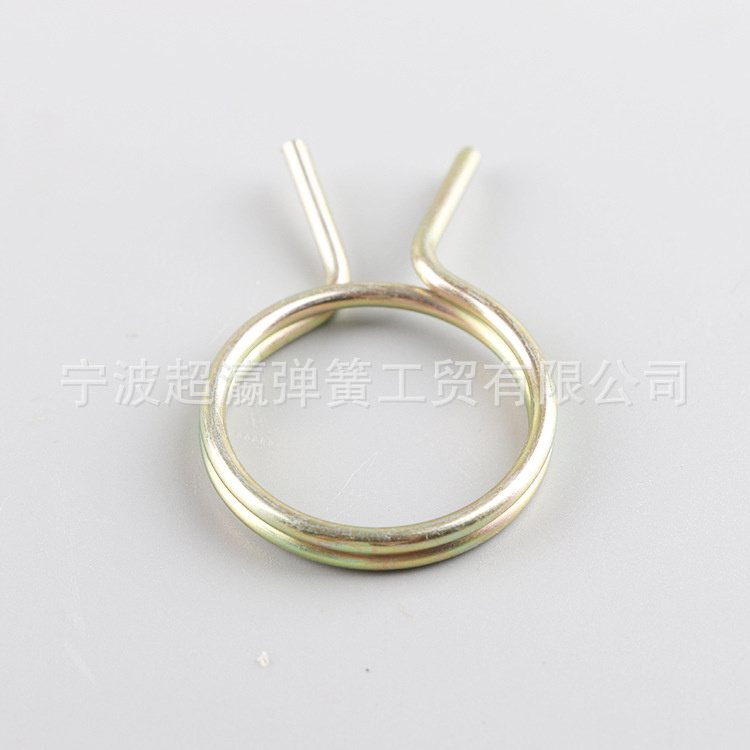
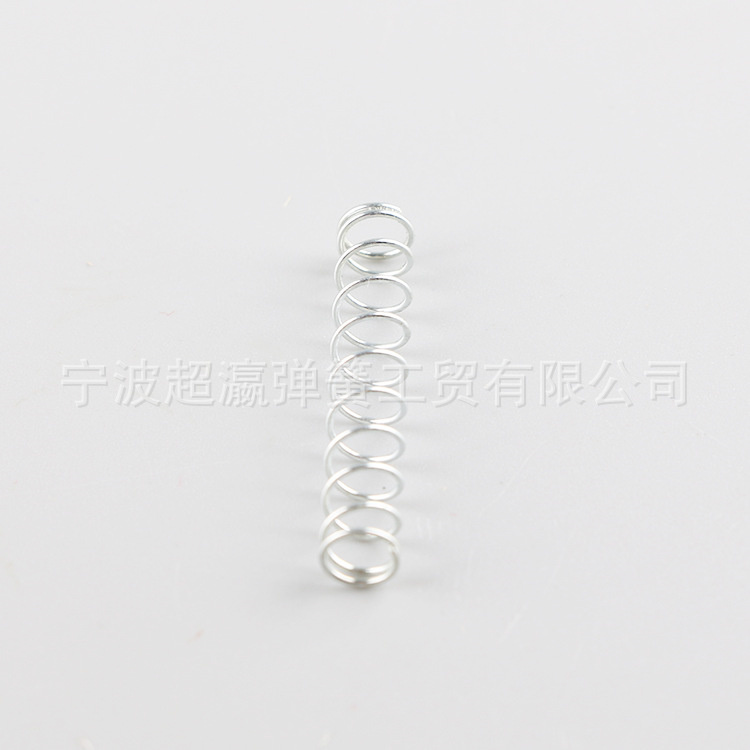
We regularly produce compression, extension, and torsion springs from 304 stainless steel wire. The examples below show common products that benefit from the corrosion resistance and mechanical stability of 304.
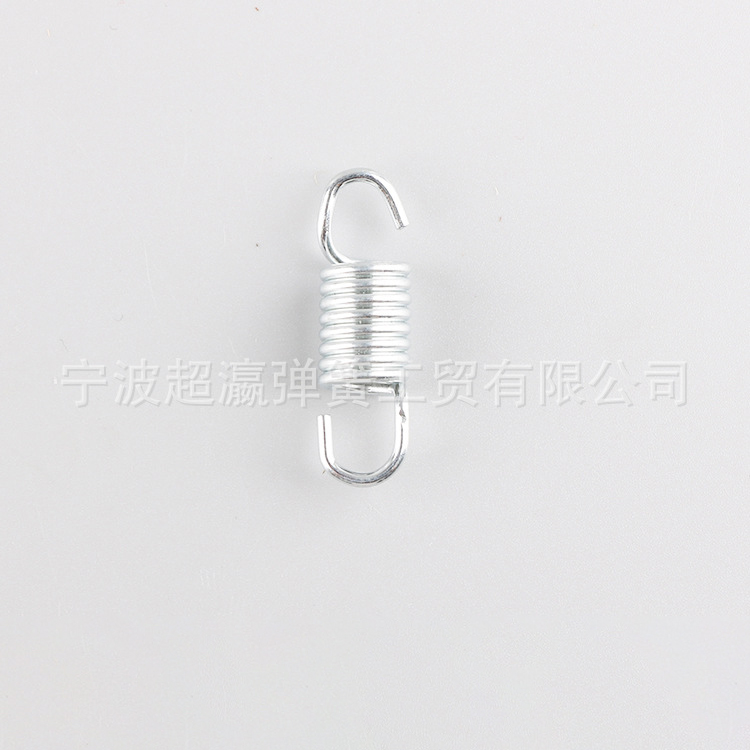
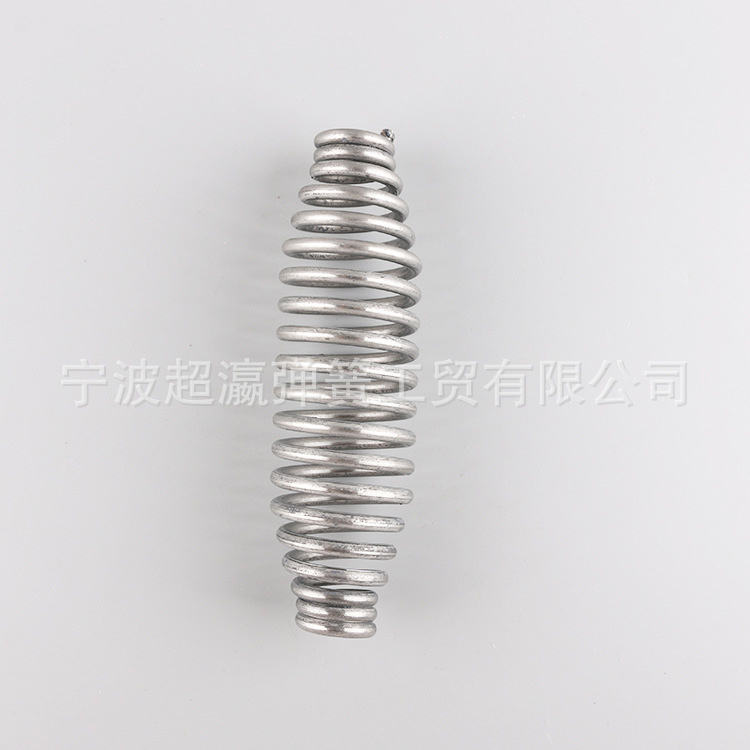
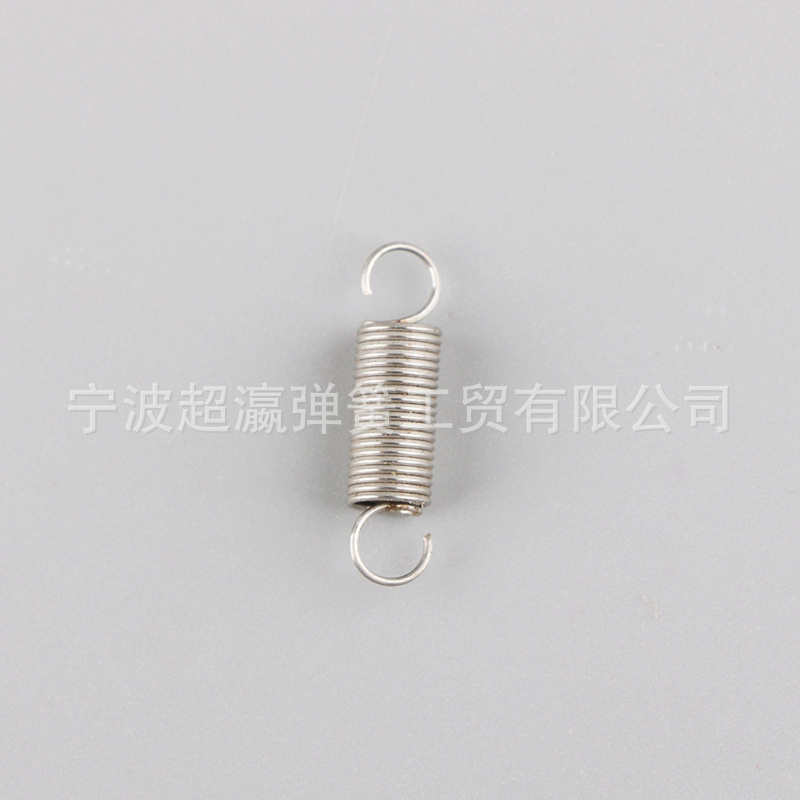 Customizable Stainless Steel Small Tension Coil SpringPrecision tension coil spring in 304 stainless steel, customizable dimensions for reliable force in damp, corrosive environments. Ideal for instruments and equipment.View Product →
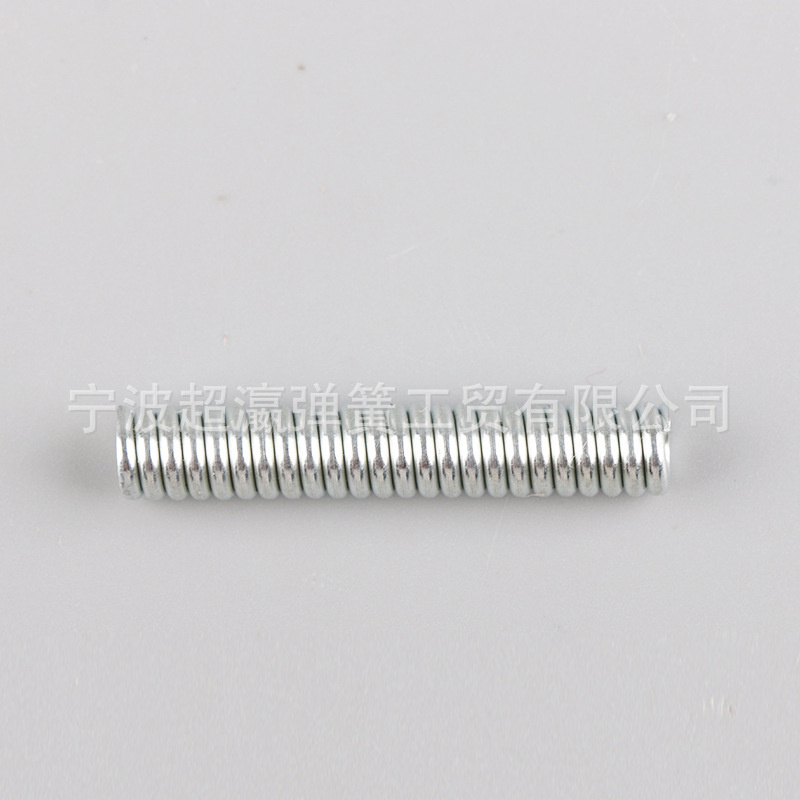
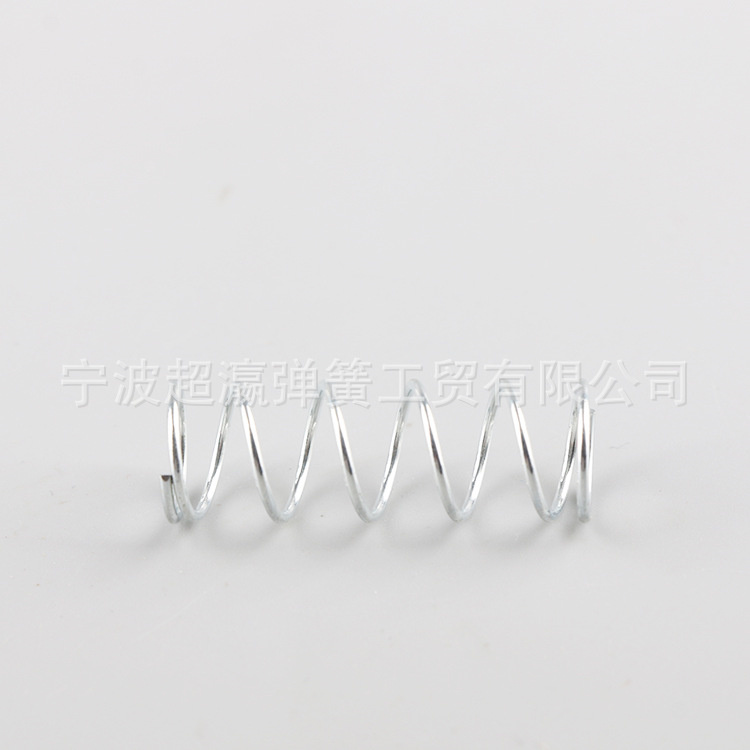
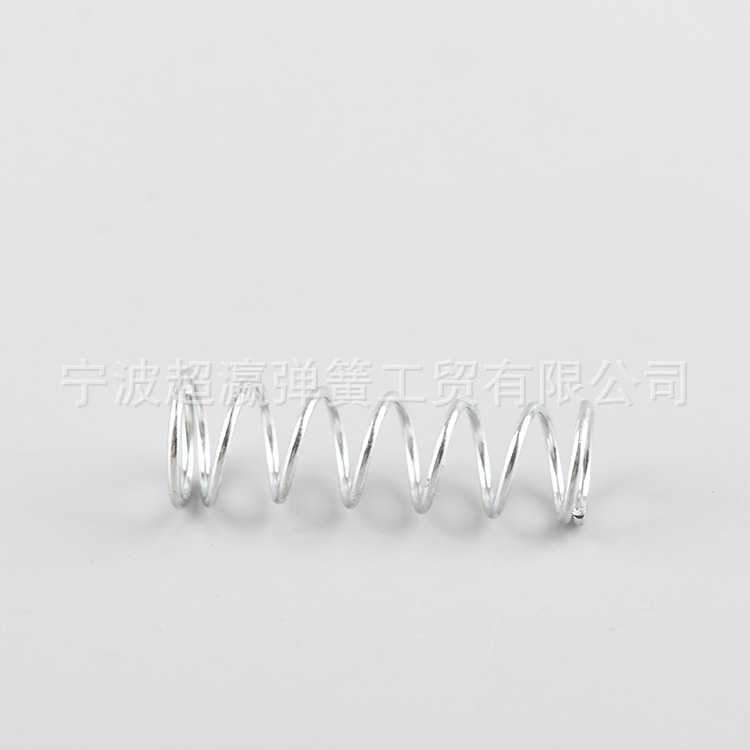 304 Stainless Steel Compression Spring with Custom DimensionsDurable compression spring made of 304 stainless steel, stress-relieved for high-stress use without permanent set. Suitable for demanding applications.View Product →
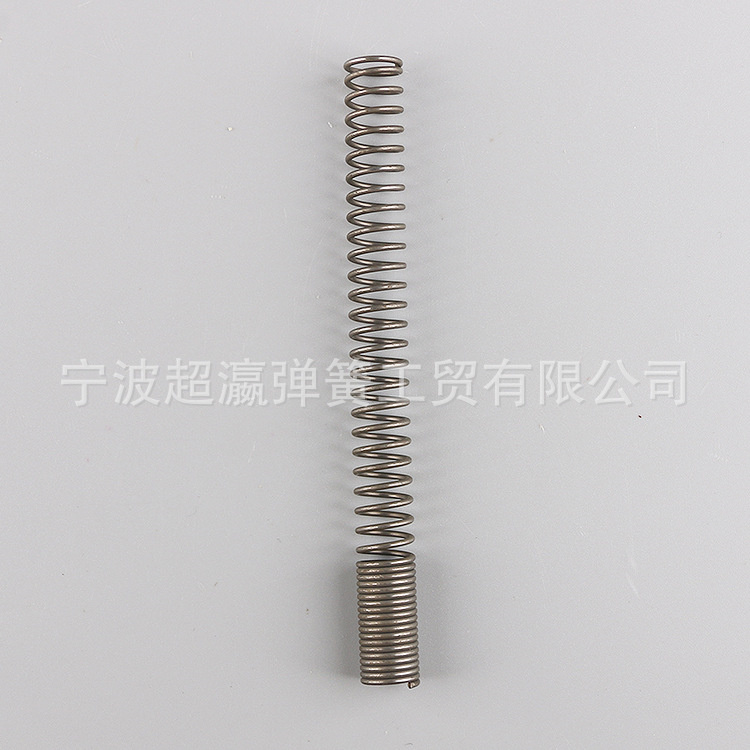
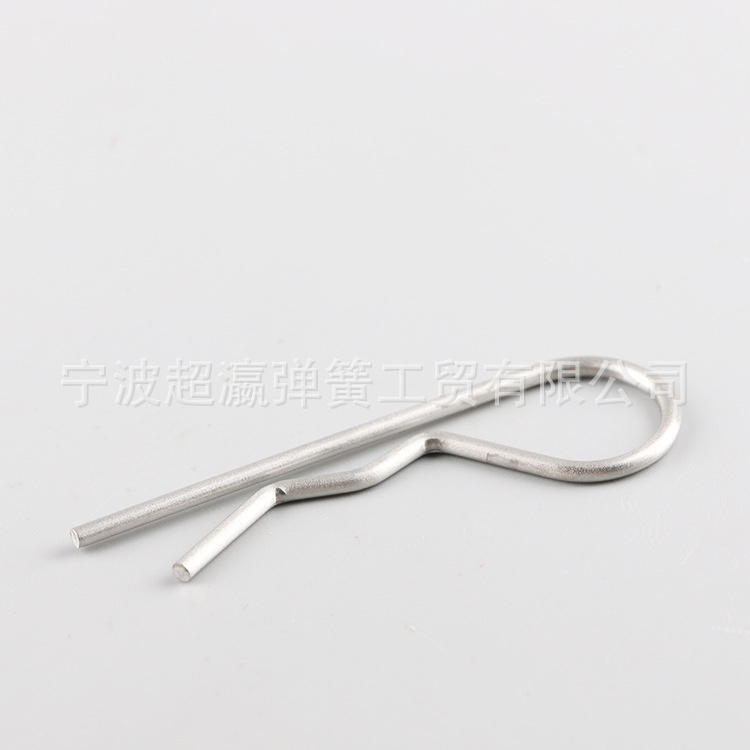
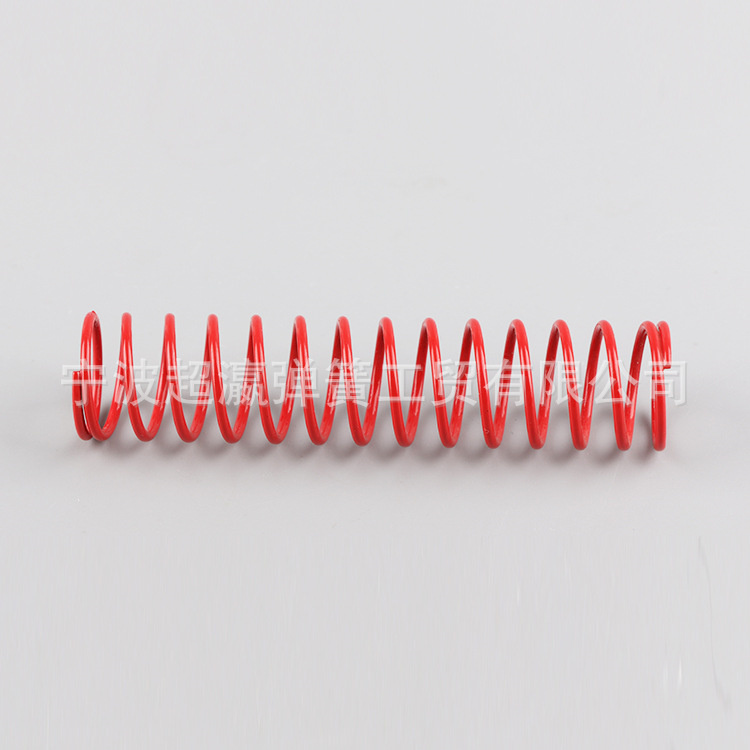
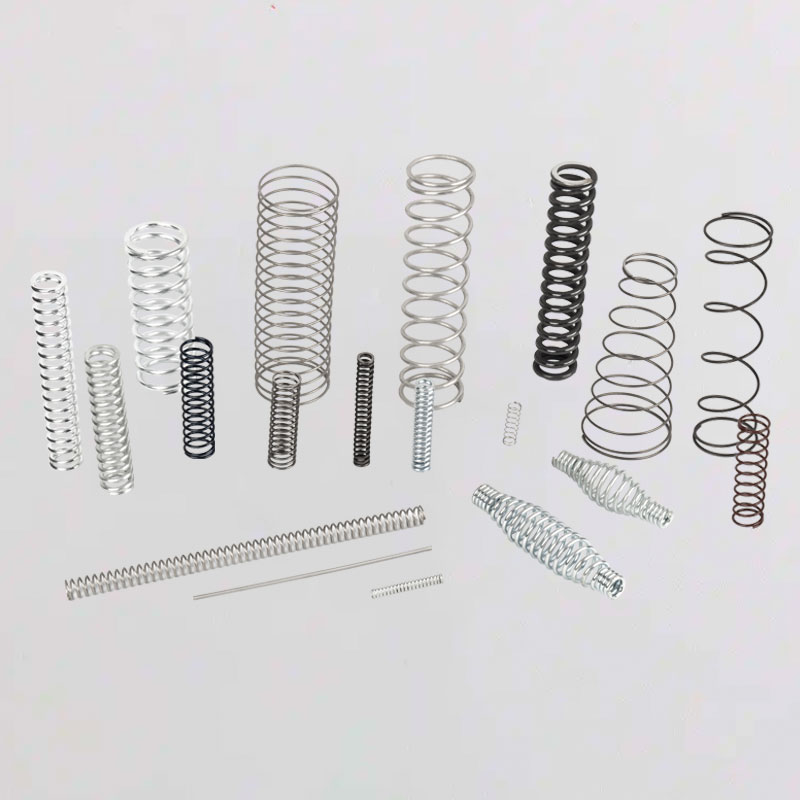 Stainless Steel Pressure Return Spring for Industrial ValvesCorrosion-resistant pressure return spring from 304 wire, designed for reliable movement inside valves and actuators. Dimensions customizable for specific needs.View Product →
These springs are coiled from 304 wire, stress relieved, and finished with a clean passivated surface. The choice of 304 gives our customers a predictable spring that keeps its force in damp and dusty environments. For a small tension coil spring, the key is consistent wire surface quality. For a compression spring, it is the ability to handle high stress without taking a permanent set. For a pressure return spring, it is the corrosion resistance that keeps a small part moving reliably inside a valve or actuator.
If you send us a sample or drawing, we compare the required load, deflection, wire diameter, and service environment before recommending a grade. In most cases, the result is 304 stainless steel. When the component is a disposable plastic-embedded part that will never see moisture, 202 might keep the piece cost down, but that is the exception rather than the rule.
Yes. Grade 202 contains less nickel, and nickel is the main cost driver in stainless steel. The market price difference can range from roughly 15 to 25 percent depending on global raw material costs. However, the price gap does not automatically make 202 cheaper for a finished spring. If the 202 spring corrodes, breaks, or requires more inspection, the total cost can exceed the initial material saving.
It can. Grade 202 has lower chromium and nickel content and high manganese content, so its protective oxide film is less robust than the film on 304. In a humid environment, near the ocean, or in contact with chlorides, 202 stainless steel can develop pitting and surface rust, especially on cut edges, weld areas, or cold-worked spring surfaces.
In the annealed condition, grade 202 may show a higher yield strength. For spring wire, however, the useful strength comes from cold drawing and heat treatment. Grade 304 delivers a dependable combination of tensile strength, toughness, and fatigue resistance. The slightly higher annealed strength of 202 does not translate into a better spring because fatigue life and surface quality matter more than static yield strength.
The main reason is nickel. Grade 304 uses roughly 8 to 10.5 percent nickel, while grade 202 uses 4 to 6 percent. Nickel gives the alloy better corrosion resistance, formability, and structural stability. To replace that nickel, 202 relies on manganese and nitrogen, which are cheaper and alter the long-term behavior of the material.
Not as a default. Food contact surfaces are expected to be corrosion-resistant, easy to clean, and stable enough not to release harmful metal ions. Grade 304 is a recognized food-grade stainless steel in many industry standards. Grade 202 has a much higher manganese content, which raises concerns about metal release, and its weaker corrosion resistance makes it less suitable for washdown environments.
Ask the manufacturer for a material certificate. A handheld XRF analyzer can measure the nickel content on the wire surface. A chemical spot test is another quick way to sort alloys. Visual appearance is not enough because both grades look similarly bright after polishing.
It can be acceptable for a light static spring inside a dry plastic housing, where the spring is replaced with the whole product and never carries a safety function. In that scenario, the lower material cost may be worth accepting lower corrosion resistance. For any spring that moves, loads, or faces environmental exposure, 304 is the more reliable choice.
Kapcsolódó termékek
Vegye fel velünk a kapcsolatot
Gyári cím
No. 8, Taoyuan South Road, Wuyuqiao, Henghe Town, Cixi City, Ningbo, Kína
Telefon
+86-188 6787 1218+86-574-62605393
QR-KÓD